

Infatuation vs Love: How to Tell the Difference
Cassindy Chao
Butterflies. A racing pulse. The feeling that you can't stop thinking about someone you barely know. It's intoxicating even a bit delicious —but is it love? As a third-generation matchmaker, I can tell you it's the question my clients ask more than almost any other. The spark feels like certainty. In reality, it is usually something else entirely and it’s important to know what is real and what is not.
Learning to differentiate between infatuation and love is one of the most important skills daters can master. While they feel remarkably similar at the start, they lead to very different places. Here's how I help my clients tell the difference.
Infatuation strikes like lightning
Infatuation is fast and intense. It arrives almost instantly—a lightning bolt of attraction that captivates your attention and floods you with excitement. It's built on a strong, often idealized fascination with someone you don't actually know. You're drawn to their looks, their charm, their accomplishments – you attach to the idea you have createdof them – You’ve almost been waiting for someone just like this.
The intensity you feel is real, and it feels great, but it's based on a surface-level understanding of a person. Infatuation thrives in superficiality. You can maintain an idealized version of a person when you don’t know their values, their flaws, or how they handle a hard day or a conflict. Creating a connection with this “ideal” clouds your judgment and pulls you towards choices that don't serve your long-term happiness. There's an old Chinese saying, 情人眼里出西施—in a lover's eyes, a Xi Shi appears—meaning we see the beloved as the most beautiful person alive. That is infatuation in a nutshell: it shows you a fantasy, not a person.
Love grows like a seed
Love develops the opposite way—slowly, over time, like a seed that takes root. It's not just a feeling that happens to you in an instant; it grows from every choice to show up for someone, again and again. Where infatuation idealizes, love sees clearly and stays anyway—flaws and all.
Real love is built on emotional attachment that goes beyond “attraction” to physical characteristics, wealth, status, or accomplishment. It develops from mutual respect, shared values, and a genuine commitment to supporting each other through life's challenges. Love is grounded in reality and represents a balanced connection between two people. And it is ultimately so much better and just as exciting too.
How to tell the difference
Here are some questions that can help you understand what you are feeling.
● Pace. How are things moving? If everything feels breathless and urgent, that's infatuation. The feeling can be exhilarating, but may not lead to the best decisions. Love is the marathon, not a sprint.
● Depth. Are you fascinated by the idea of this person, or genuinely curious about who they actually are—their work, their fears, their story? Are you ignoring red flags because of physical attraction?
● Stability. How does the relationship make you feel? Love brings a sense of calm and security. Infatuation often brings anxiety—overthinking every text, wondering constantly where you stand – sometimes that instability and loss of control is exciting too – so know how to tell the difference.
● Two-sidedness. Are you in this equally with your partner? Infatuation is frequently one-sided, lived mostly in your own head, with one person doing most of the work and feeling most of the feelings. Love is mutual and reciprocated.
● Self-awareness. How do you deal with conflict and hard topics? Love makes room for honest conversation and working through differences. Infatuation avoids the real questions in favor of the fantasy.
Why the spark fools smart people
Smart, accomplished people aren’t immune to mistaking chemistry for compatibility. The rush of novelty is chemical—the hits of dopamine and adrenaline make anything new feel electric. It's easy to interpret that high as destiny.
And media doesn't help at all. Movies and social feeds constantly sell the lightning bolt as the whole story. But a spark is a beginning, not the end. The real question isn't 'do I feel a rush now?'—it's 'is there something to sustain us without the rush?'
When infatuation becomes love
None of this means infatuation is bad. In fact, most lasting relationships start with a spark. The question is whether it deepens into something more. That transition happens when attraction gives way to knowing—when you build trust over time, appreciate someone beyond the initial thrill, and discover you share values and a vision for the life you want. Ask yourself can you trust this person with your inner self, your thoughts, your insecurities, and ideas?
Client Story
I worked with a great gal who was frustrated, stuck in a cycle of great starts and fast fizzles. It didn’t take long to see the problem. First, she chose matches based on physical attraction - if she didn’t feel it from the photo, it was a hard pass. After the first few dates she could tell you the places he liked to travel, his job title, the restaurant he took her to. What she couldn't tell you: whether he was kind on a bad day, or if he'd ever really listened to anything she said. She overlooked the canceled plans, the offhand comments about his ex, the way conversations always circled back to him. The spark was so loud, it drowned out the red flags. It took a lot of coaching and coaxing before she before she started asking a different question: not "does this feel exciting," but "does this feel good.” Over time, she started dating differently. And it paid off with an amazing husband (and now father!)
Trust the feeling—but verify it
The spark is wonderful. Attraction is magical. Enjoy it. But stop mistaking it for the whole story. I help my clients to slow down, prioritize differently, and choose partners who will build a foundation that lasts—not just “spark” a feeling that flares and fades.
Wondering whether what you're feeling is the real thing? Let's talk — or take the 2-minute Love Quiz to start understanding what you're really looking for.
Related: What Exactly Does A Matchmaker Do?
Understanding Love

Signs to Differentiate Between Love and Infatuation
Recognizing the signs of infatuation is crucial in understanding its difference from love. An intense but short-lived passion often marks infatuation, whereas love develops more gradually and is characterized by deep emotional connection and mutual respect.
Communication and conflict resolution are significant indicators of a loving relationship. Emotional stability is crucial in distinguishing love from infatuation, as is self-awareness about one's feelings and relationship dynamics.
Related: Asian Western Cross-Cultural Dating
Impact of Infatuation and Love on Personal Well-being
The psychological impact of infatuation can be intense but often leads to emotional instability. In contrast, love contributes positively to personal development and mental health.
Understanding these emotions' differences is vital, as infatuation can sometimes be mistaken for love, leading to unhealthy relationship patterns. Developing coping strategies for managing infatuation and fostering a healthy, loving relationship is essential for personal well-being.
Transitioning from Infatuation to Love

Relationships often start with infatuation and transition into love in the right circumstances. This progression requires nurturing a deeper connection based on understanding, patience, and mutual respect.
Trust is a cornerstone in this transition. Cultivating a lasting bond involves recognizing and appreciating the partner's qualities beyond the initial attraction and working towards building a shared life based on true compatibility and shared values.
Are you ready to find an infatuation with a strong potential to turn into love? Talk to one of the expert matchmakers at AWML today.

SAN FRANCISCO MATCHMAKING
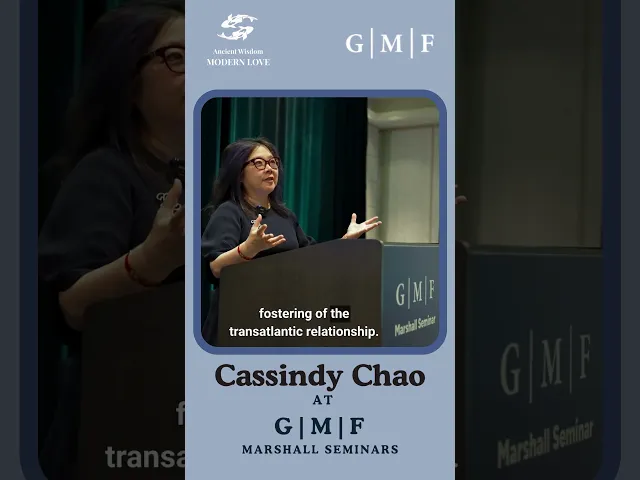
What a Goldman Sachs Banker Learned About Love | Matchmaker Cassindy at GMF

Ready for a real introduction?
If your result makes you curious about what a personal introduction feels like, let’s talk. The first call is free — and it might be the most important conversation you have this year.